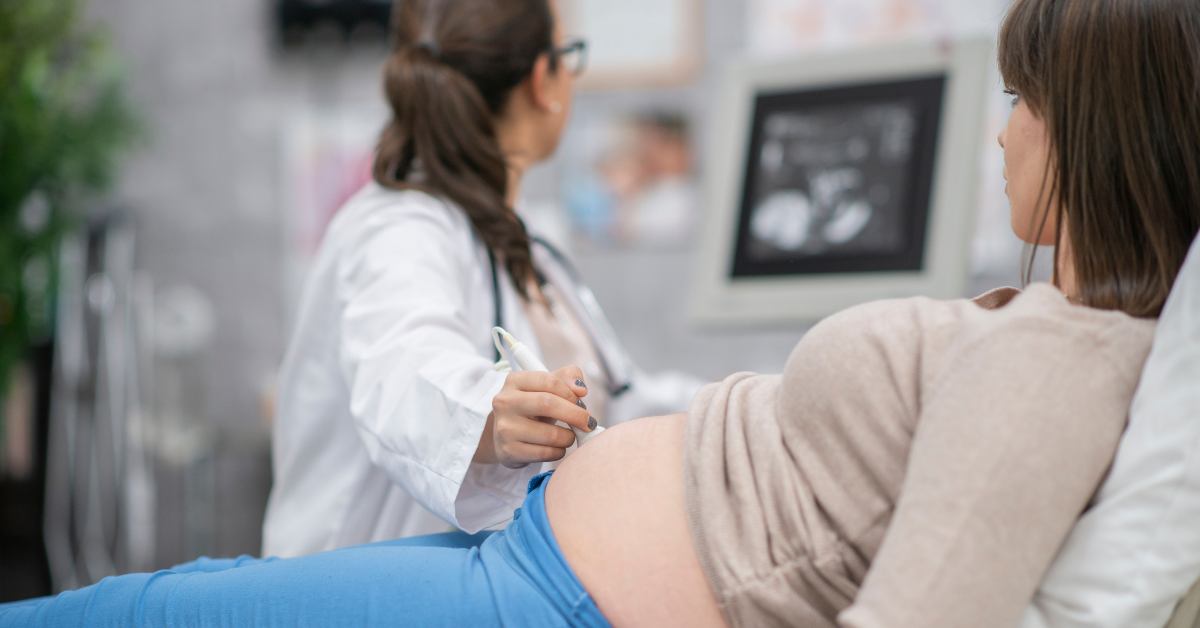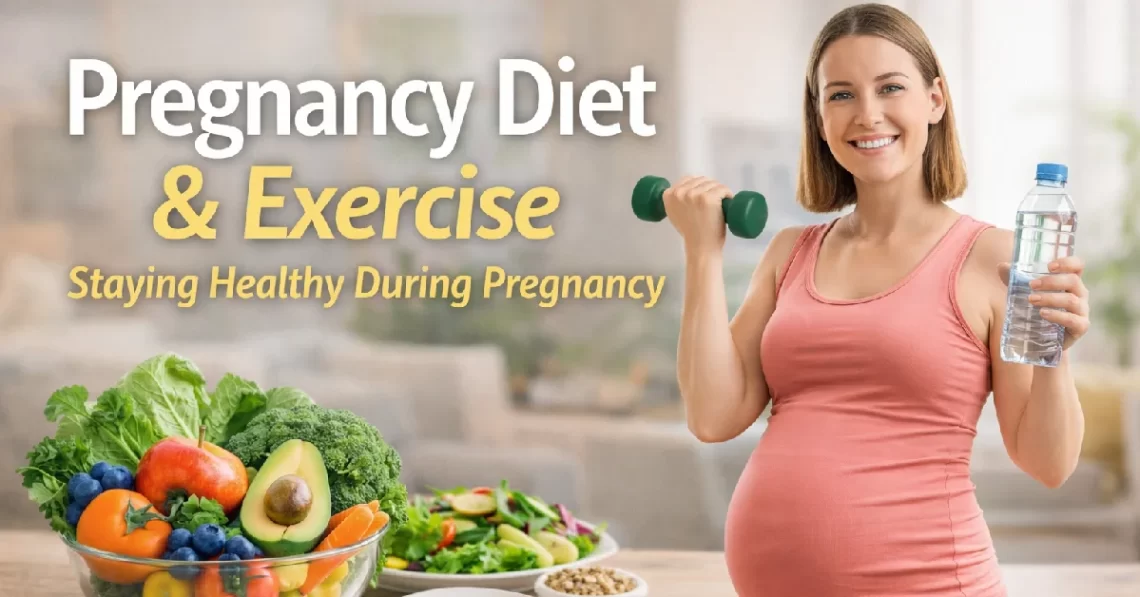
Pregnancy is one of the most beautiful and life-changing experiences for a woman. Proper care of your body during this period will ensure a healthy pregnancy for you and your baby. From learning about early pregnancy symptoms to a healthy pregnancy diet and pregnancy exercise, every detail is very important.
This comprehensive pregnancy guide will help you learn about nutrition, fitness, and important pregnancy tips that will help you stay healthy throughout your pregnancy journey, including tips on pregnancy development week by week.
Understanding Pregnancy: The First Signs
Before delving into diet and exercise, it is essential to identify pregnancy symptoms and signs of early pregnancy.
Some of the symptoms of early pregnancy include:
• Missed menstrual cycle
• Nausea or morning sickness
• Fatigue
• Sensitive breasts
• Frequent urination
• Mood changes
If you are experiencing the above symptoms of early pregnancy, it is essential to verify the pregnancy using a pregnancy test and consult a doctor to start the right pregnancy care.
Why Diet & Exercise Matter During Pregnancy
A healthy pregnancy diet and exercising during pregnancy can:
• Aid in fetal development and brain growth
• Decrease pregnancy complications
• Increase energy
• Regulate weight gain
• Decrease back pain and swelling
• Prepare the body for childbirth
Eating healthy and exercising during pregnancy is crucial for a healthy pregnancy.
Pregnancy Diet: What to Eat for a Healthy Pregnancy
Your body requires additional nutrients when you are pregnant, but this doesn’t translate to “eating for two.” Rather, it is all about quality, not quantity.
Key Nutrients for Pregnancy
1. Folic Acid
Aids in the development of the brain and spinal cord.
Sources: Spinach, oranges, and fortified cereals.
2. Iron
Aids in the prevention of anemia and the supply of oxygen.
Sources: Lean meat, lentils, and beans.
3. Calcium
Required for the development of the bones of the baby.
Sources: Milk, yogurt, and cheese.
4. Protein
Aids in tissue growth.
Sources: Eggs, chicken, tofu, and legumes
5. Omega-3 Fatty Acids
Supports brain development.
Sources: Salmon, walnuts, chia seeds.
Pregnancy Diet Table (Daily Nutritional Guide)
Below is a general daily pregnancy diet plan to support a healthy pregnancy:
| Food Group | Recommended Servings | Examples |
| Fruits | 2–3 servings | Apples, bananas, berries |
| Vegetables | 3–5 servings | Spinach, carrots, broccoli |
| Whole Grains | 6–8 servings | Brown rice, oats, whole wheat bread |
| Protein | 2–3 servings | Eggs, fish, beans, chicken |
| Dairy | 2–3 servings | Milk, yogurt, cheese |
| Healthy Fats | Moderate | Avocado, nuts, olive oil |
| Water | 8–10 glasses | Stay hydrated |
Always consult your doctor for personalized pregnancy care advice.
Foods to Avoid During Pregnancy
To ensure a safe pregnancy diet, avoid:
- Raw or undercooked meat
- Unpasteurized dairy products
- High-mercury fish
- Excess caffeine
- Alcohol
- Processed junk food
Food safety is a crucial part of pregnancy care.
Pregnancy exercise: Staying Active Safely
Safe and regular pregnancy exercise can greatly benefit both mother and baby.
Benefits of Pregnancy exercise
- Improves circulation
- Reduces back pain
- Prevents excessive weight gain
- Enhances mood
- Improves sleep
- Eases labor and recovery
Best Pregnancy exercises
Always consult your doctor before beginning any routine.
1. Walking
Low impact and safe during pregnancy.
2. Prenatal Yoga
Increases flexibility and helps to relieve stress.
3. Swimming
Easy on joints and helps to reduce swelling.
4. Pelvic Floor Exercises (Kegels)
Helps to strengthen muscles for delivery.
5. Light Strength Training
Helps to maintain muscle tone (do not lift heavy objects).
Exercises to Avoid During Pregnancy
For safe pregnancy care, avoid:
- Contact sports
- High-impact workouts
- Exercises lying flat on your back (after first trimester)
- Activities with fall risk (skiing, horseback riding)
Pregnancy week by week: Diet & Exercise Adjustments
Understanding pregnancy week by week changes helps tailor your nutrition and activity.
First Trimester (Weeks 1–12)
- Focus on folic acid and iron
- Manage nausea with small meals
- Light exercise like walking
Common pregnancy symptoms: fatigue, nausea, mood swings.
Second Trimester (Weeks 13–27)
- Increase protein intake
- Maintain moderate exercise
- Focus on calcium and vitamin D
Energy levels often improve during this stage.
Third Trimester (Weeks 28–40)
- Smaller, frequent meals
- Stay hydrated
- Gentle stretching and prenatal yoga
Back pain and swelling may increase — light movement helps.
Essential Pregnancy Tips for a Healthy Pregnancy
- Attend regular prenatal checkups.
- Take prenatal vitamins as prescribed.
- Sleep at least 7–8 hours per night.
- Manage stress through meditation or breathing exercises.
- Avoid smoking and alcohol.
- Monitor weight gain based on doctor’s advice.
- Stay informed using a reliable pregnancy guide.
Mental Health During Pregnancy
A healthy pregnancy is not only about the body; having a healthy mind is important too.
Hormonal fluctuations may lead to feelings of anxiety or mood swings. Communicate freely with your partner and healthcare provider if you are feeling overwhelmed. Prenatal yoga and breathing techniques are great resources to help you stay emotionally balanced.
Common Pregnancy symptoms & How to Manage Them
| Symptom | Management Tip |
| Morning Sickness | Eat small meals, avoid strong smells |
| Back Pain | Prenatal stretches, proper posture |
| Swelling | Elevate feet, stay hydrated |
| Constipation | Increase fiber intake |
| Fatigue | Rest and maintain balanced diet |
These symptoms are normal but should be discussed with your doctor if severe.
Hydration During Pregnancy
Functions of water:
• Dehydration prevention
• Ammiotic fluid support
• Headache relief
• Constipation prevention
Recommended intake: 8-10 glasses a day as a healthy pregnancy food.
Weight Gain During Pregnancy
Weight gain:
It depends on your pre-pregnancy BMI. A general guideline is as follows:
• Normal BMI: 11-16 kg (25-35 lbs)
• Underweight: Slightly more
• Overweight: Slightly less
Your healthcare provider will be with you every step of your pregnancy journey.
Frequently Asked Questions (FAQ)
1. What is the best pregnancy diet for a healthy pregnancy?
A well-rounded pregnancy diet consists of fruits, vegetables, whole grains, lean protein, dairy products, and healthy fats and avoids processed foods and alcohol.
2. Can I exercise during pregnancy?
Yes, safe exercise during pregnancy, such as walking, swimming, and prenatal yoga, is good for a healthy pregnancy.
3. What are pregnancy diet?
Some typical symptoms of early pregnancy include missed period, nausea, fatigue, and breast tenderness.
4. How much water should I drink during pregnancy?
Strive to drink a minimum of 8-10 glasses of fluids per day.
5. Is it safe to start exercise in early pregnancy?
Yes, but please check with your doctor before starting any new exercise routine during pregnancy.
6. What foods should be avoided during pregnancy?
Avoid raw meat, raw dairy products, high-mercury fish, alcohol, and too much caffeine.
7. How important are prenatal vitamins?
Prenatal vitamins are essential for folic acid, iron, and other nutrients necessary for pregnancy care.
Final Thoughts
Pregnancy is an incredible journey that needs careful pregnancy attention, healthy pregnancy eating, and safe pregnancy exercise. By maintaining a healthy pregnancy diet, practicing safe pregnancy exercise, and staying updated with a trustworthy pregnancy guide, you can help promote your own health as well as your baby’s development.
Being aware of pregnancy signs, monitoring your pregnancy progress week by week, and using valuable pregnancy tips will ensure a smooth and healthy pregnancy experience.
Remember to take advice from your healthcare provider because every pregnancy is different, and the right support makes all the difference.