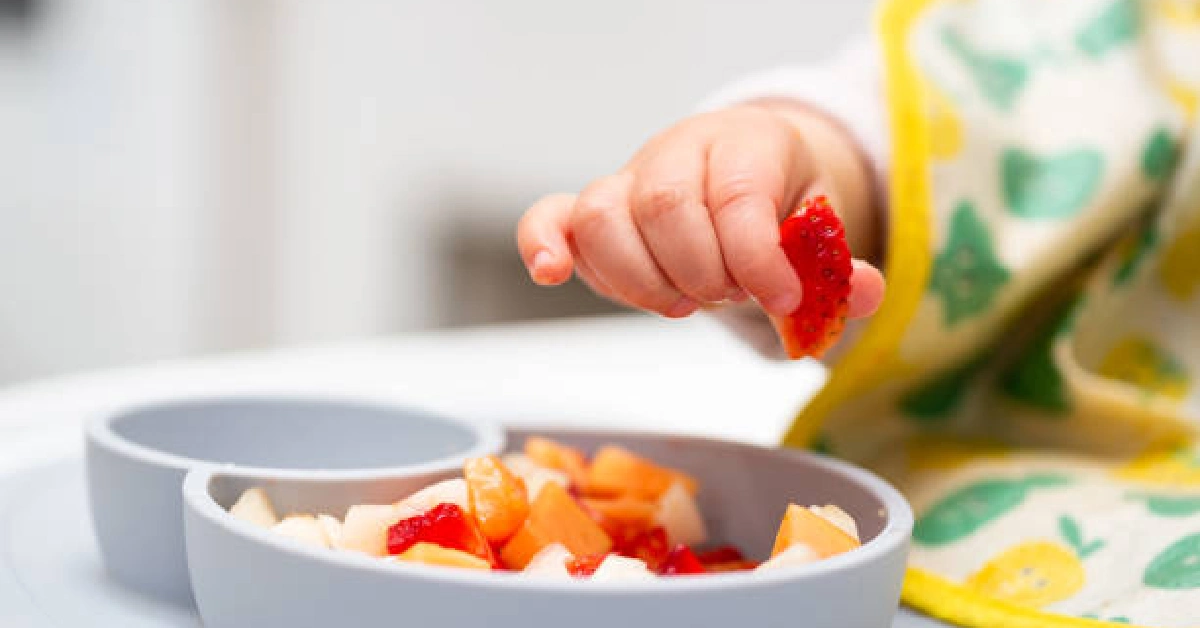
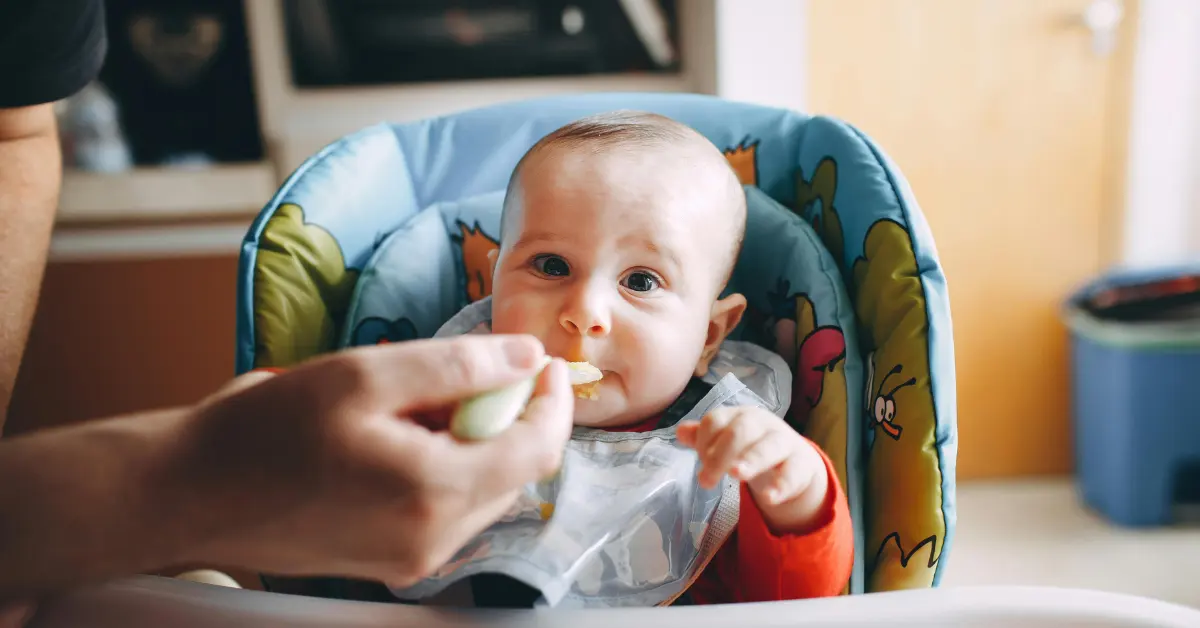
Selecting the best nutrition for your child is one of the most critical decisions that parents make. In 2026, more parents are turning to organic baby food, clean-label ingredients, and balanced nutrition to ensure healthy growth and development. With so many baby food brands on the market, it can be difficult to determine which brand is the best for your child.
This comprehensive guide showcases the top baby food brands that parents trust in 2026, as well as advice on how to select the best baby food, read ingredient labels, and even make baby food at home.
Why Choosing the Right Baby Food Matters
Infants develop at a rapid rate during their first year of life, and nutrition is an essential component of:
• Brain development
• Strong immune systems
• A healthy digestive system
• Healthy weight gain
• Development of taste preferences
Today’s parents are seeking healthy baby food that is free from artificial preservatives, added sugars, and unnecessary fillers. Many parents are also using commercial baby foods in combination with homemade baby foods and baby puree recipes.
What Makes the Best Baby Food in 2026?
When choosing the best baby food, keep the following in mind:
1. Organic Certification
Organic baby food is made from produce that is grown without pesticides and chemicals.
2. Minimal Ingredients
Using fewer ingredients means fewer additives.
3. No Added Sugar or Salt
Infants do not require added sugars or salt.
4. Nutrient-Dense Formulas
Iron, DHA, and necessary vitamins are essential for development.
5. Age-Appropriate Textures
Starting from baby puree to textured baby foods, texture development is also important.
Top Baby Food Brands Parents Trust in 2026
Here are the top-rated and trusted baby food brands in 2026 based on quality, transparency, and parent reviews.
1. Gerber
One of the oldest and most recognizable brands of baby food, Gerber provides a variety of baby meals, baby cereals, and baby snacks. In 2026, the company continues to extend its line of organic baby food.
Best for: Variety and accessibility
Popular products: Fruit & vegetable purees, baby oatmeal
2. Happy Baby Organics
Organic baby food brand with a strong reputation for non-GMO, healthy recipes.
Best for: Organic pouches and toddler snacks
Popular products: Superfood combinations, probiotic baby oatmeal
3. Earth’s Best Organic
Earth’s Best continues to be a parent’s best friend for certified organic baby food and formula.
Best for: Organic cereals and jarred purees
Popular products: Organic apple & spinach pureev
4. Plum Organics
Plum Organics is known for its colorful packaging and unique flavors. It provides healthy and convenient alternatives.
Best for: Baby food in stages and baby snacks
Popular products: Organic mixes and mashups
5. Once Upon a Farm
It is a high-end refrigerated organic baby food brand with cold-pressed ingredients.
Best for: Fresh and refrigerated baby purees
Popular products: Avocado mixes and vegetable-based pouches
6. Beech-Nut Naturals
This brand focuses on simple recipes with real ingredients.
Best for: Affordable and clean-label purees
Popular products: Single-ingredient baby puree jars
Top Baby Food Brands Comparison Table (2026)
| Brand | Organic Options | Product Type | Price Range (USD) | Best For |
| Gerber | Yes (Organic Line) | Purees, Snacks, Cereals | $1.50 – $3.00 per jar | Variety |
| Happy Baby Organics | Yes | Pouches, Snacks | $1.80 – $3.50 | Superfood blends |
| Earth’s Best | Yes | Cereals, Jars | $1.70 – $3.20 | Organic cereals |
| Plum Organics | Yes | Pouches, Meals | $1.80 – $3.50 | Stage-based feeding |
| Once Upon a Farm | Yes | Refrigerated Puree | $3.00 – $5.00 | Fresh options |
| Beech-Nut | Some Organic | Jars, Purees | $1.40 – $2.80 | Simple recipes |
Store-Bought vs Homemade Baby Food
Many parents mix packaged healthy baby food with homemade baby food.
Benefits of Store-Bought Baby Food
- Convenient
- Travel-friendly
- Nutritionally balanced
- Safe and tested
Benefits of Homemade Baby Food
- Full control over ingredients
- Budget-friendly
- Customizable flavors
- Fresh preparation
If preparing baby food recipes at home, ensure proper hygiene and storage.
Easy Homemade Baby Food Ideas
Here are some simple recipes for baby food that you can attempt:
1. Carrot Baby Puree
Steam carrots until they are soft. Puree them until they are smooth. Add breast milk or formula to get the desired consistency.
2. Apple & Pear Blend
Steam chopped apples and pears. Puree them to make baby food.
3. Sweet Potato Mash
Bake sweet potatoes and mash them after removing the flesh.
4. Banana & Avocado Mix
Mix all the above ingredients together to make a healthy meal for your baby.
Best Baby Snacks for Toddlers in 2026
As babies transition from babies to toddlers, baby snacks become a crucial part of their diet as they help in the development of skills and provide energy.
Some healthy baby snack options include:
• Organic puffs
• Teething biscuits
• Yogurt melts
• Soft fruit bars
It is always important to select baby snacks that are free from added sugar and artificial food colors.
Tips for Choosing Healthy Baby Food
- Always check ingredient labels.
- Avoid artificial preservatives.
- Look for iron-fortified options.
- Introduce new foods one at a time.
- Follow pediatric guidance for allergies.
Balanced baby meals should include:
- Fruits
- Vegetables
- Whole grains
- Healthy fats
- Protein
Trending Baby Food Innovations in 2026
Parents are demanding higher transparency and better quality. Trends include:
- Clean-label ingredients
- Sustainable packaging
- Plant-based baby food
- Allergen-friendly recipes
- Cold-pressed organic baby food
Technology also allows brands to trace ingredient sourcing, increasing trust in top baby food brands.
How Much Does Baby Food Cost in 2026?
Average monthly baby food costs:
| Type | Estimated Monthly Cost (USD) |
| Store-Bought Purees | $80 – $150 |
| Organic Baby Food | $120 – $200 |
| Homemade Baby Food | $40 – $90 |
| Mixed Approach | $70 – $160 |
Costs vary depending on feeding stage and brand choice.
Frequently Asked Questions (FAQ)
1. What is the best baby food in 2026?
The best baby food is determined by your baby’s requirements. Organic baby food brands such as Happy Baby Organics and Earth’s Best are preferred by many parents.
2. Is organic baby food better?
Organic baby food helps in minimizing the use of pesticides and synthetic chemicals, making it a preferred choice for health-conscious parents.
3. Can I combine homemade baby food with store-bought options?
Yes, many parents use homemade baby food in combination with packaged baby meals.
4. When should I introduce baby puree?
Most babies begin eating baby puree at 6 months, but it is always best to consult your pediatrician.
5. What are healthy baby snacks?
Healthy baby snacks consist of organic puffs, fruit melts, and soft bars without added sugar.
6. How do I store homemade baby food?
Store in airtight containers and refrigerate for up to 48 hours or freeze for longer storage.
7. Are baby food brands regulated?
Yes, reputable baby food brands adhere to strict food safety and nutritional guidelines.
Final Thoughts
In 2026, parents are better informed than ever before about infant nutrition. Whether selecting reputable baby food brands, making homemade baby food, or picking premium organic baby food, the aim is always the same: to provide safe, balanced, and healthy baby food for infants.
The secret to success is balance. Mix healthy baby meals, healthy baby snacks, and easy baby puree recipes to provide a balanced diet. With so many healthy options available, parents can rest assured and focus on what really matters – raising happy and healthy babies.