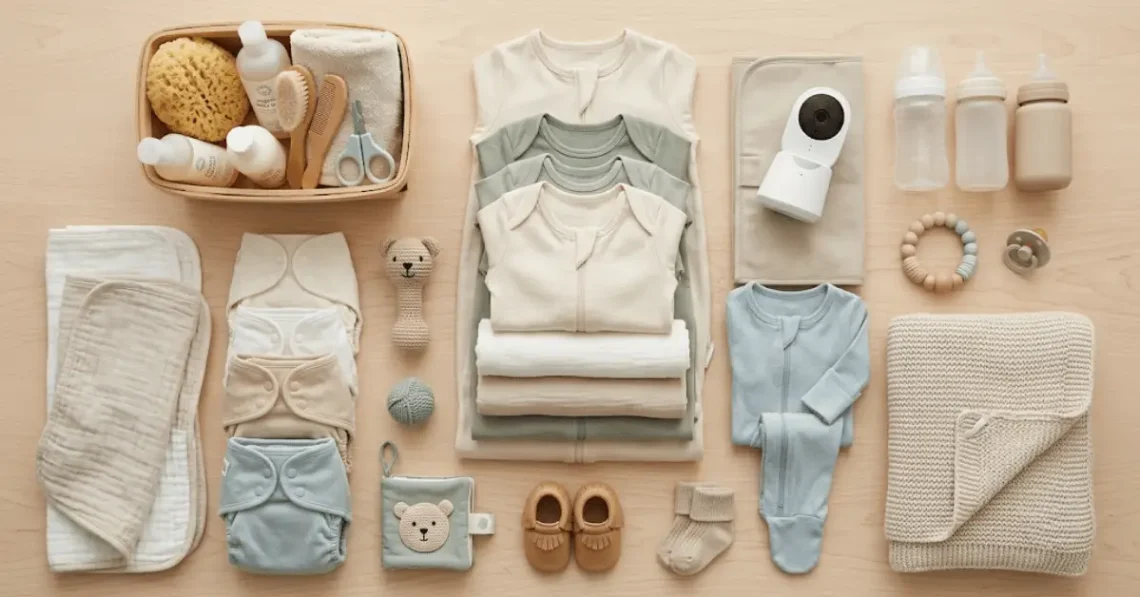
Preparing for a newborn is exciting, but it can also feel overwhelming. With so many baby products available, new parents often wonder what they actually need before bringing their little one home. The good news is that you don’t need to buy everything you see in a baby store. A few practical, comfortable, and safe products can make those first few weeks much easier.
This guide to baby essentials for newborns covers the most important things parents should consider, from clothing and feeding supplies to sleeping, bathing, and diaper-changing products.
Why Choosing the Right Baby Essentials Matters
Newborns require frequent feeding, diaper changes, sleep, and gentle care throughout the day. Having essential supplies ready before the baby arrives can reduce stress and help parents focus more on their newborn.
When shopping for baby essentials for newborns, prioritize safety, comfort, quality, and practicality. Choose products designed specifically for newborns and avoid buying large quantities of items your baby may quickly outgrow.
A simple checklist can also help you stay within your budget while making sure you don’t forget important items.
1. Newborn Baby Clothing
Clothing is one of the first things parents usually purchase. Newborns need comfortable clothes that are easy to put on and remove.
Some useful clothing options include:
- Cotton bodysuits
- Sleepsuits
- Soft pajamas
- Baby socks
- Mittens
- Lightweight hats
- Sweaters or jackets for colder weather
- Burp cloths
Choose soft, breathable fabrics that are gentle on sensitive newborn skin. Avoid clothing with rough seams, uncomfortable tags, or small decorations that could become loose.
It’s also useful to purchase clothes in different sizes because some babies outgrow newborn-size clothing surprisingly quickly.
2. Diapering Essentials
Newborn babies may need several diaper changes every day, making diapering supplies one of the most important categories of baby essentials for newborns.
Parents may want to prepare:
- Newborn-size diapers
- Baby wipes
- Cotton pads
- Diaper rash cream
- Changing mat
- Diaper storage basket
- Disposable or reusable diaper bags
- Soft washcloths
If you are unsure which diaper brand or size will work best, avoid buying too many packs at once. Your baby’s size and skin sensitivity can help determine which products are most suitable.
A dedicated changing area can also make diaper changes quicker and more organized.
3. Safe Sleeping Supplies
Newborns spend a significant amount of time sleeping, so creating a safe sleeping environment should be a priority.
Important sleeping supplies can include:
- A safe baby crib or bassinet
- Firm, properly fitted mattress
- Fitted crib sheets
- Lightweight sleepwear
- Baby sleeping bag, where appropriate
The baby’s sleeping area should be kept clear of unnecessary pillows, loose blankets, toys, and other soft objects. Parents should follow current safe-sleep recommendations from trusted pediatric and health organizations.
A comfortable sleeping space doesn’t need to be complicated. The most important consideration is creating a safe environment where your newborn can sleep comfortably.
4. Feeding Essentials
Whether you plan to breastfeed, formula-feed, or use a combination of feeding methods, having a few basic supplies can be helpful.
For breastfeeding parents, useful items may include:
- Nursing bras
- Burp cloths
- Breast pads
- Nursing pillow
- Breast pump if needed
- Milk storage containers
For formula feeding, parents may need:
- Newborn-appropriate bottles
- Bottle nipples
- Bottle brush
- Formula
- Bottle sterilizing equipment
Remember that feeding requirements can vary significantly from one baby to another. It’s often better to start with a small number of bottles and accessories and purchase additional items after determining what works for you and your baby.
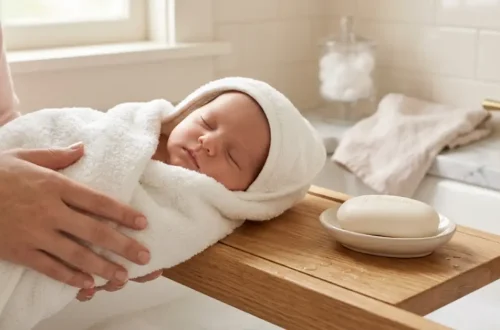
5. Bathing and Baby Care Products
Newborn skin is delicate, so bathing doesn’t require a large collection of products. A few gentle and practical items are usually enough.
Consider adding these to your baby essentials for newborns checklist:
- Baby bathtub
- Soft washcloths
- Hooded towels
- Gentle baby cleanser
- Baby hairbrush
- Baby nail clippers
- Soft cotton towels
Always choose products formulated for babies and avoid heavily fragranced products if your baby’s skin is sensitive.
Newborns generally don’t need frequent baths. Parents can follow their pediatrician’s recommendations and keep the baby’s skin clean between baths as needed.
6. Baby Health and Grooming Essentials
A small baby-care kit can be useful when you need to handle everyday grooming or minor concerns at home.
Some useful items include:
- Digital baby thermometer
- Baby nail clippers or a file
- Nasal aspirator
- Soft hairbrush
- Baby-safe grooming kit
Parents should also keep important healthcare contact information easily accessible.
For medications or treatment products, don’t give a newborn medicine unless it has been recommended or prescribed by an appropriate healthcare professional.
7. Travel and Outdoor Essentials
Even during the first few months, you may need to take your baby to doctor’s appointments, family visits, or other necessary outings.
Some practical baby essentials for newborns for travel include:
- Properly installed infant car seat
- Diaper bag
- Portable changing mat
- Extra clothes
- Burp cloths
- Diapers and wipes
- Feeding supplies
- Muslin cloths
A well-organized diaper bag can save considerable time when you’re away from home. Keep frequently used items in easily accessible compartments.
If you use a stroller, make sure it is appropriate for a newborn and follow the manufacturer’s instructions regarding age, weight, and positioning.
8. Baby Laundry Essentials
Newborn clothing and bedding can require frequent washing. Having separate laundry supplies can make this task easier.
Parents may consider using:
- Gentle baby laundry detergent
- Laundry basket
- Soft towels
- Extra sheets
- Stain remover suitable for baby clothing
Choose a detergent that works well for your baby’s skin and wash new clothing and bedding before the baby uses them.
Having extra sheets and clothes is particularly helpful because newborns can have unexpected diaper leaks or spit-ups throughout the day.
9. Muslin Cloths and Burp Cloths
Muslin cloths are among the simplest yet most useful baby products. They can be used during feeding, burping, diaper changes, and everyday cleanup.
It’s worth keeping several within easy reach around the house.
They can also be useful as lightweight covers or for cleaning small spills, depending on their design and intended use.
Because these cloths are used frequently, washable and durable options can be more economical over time.
10. How to Create a Practical Newborn Checklist
Creating a checklist before shopping can prevent unnecessary purchases. Divide your list into categories such as clothing, feeding, sleeping, diapering, bathing, health, and travel.
Start with the items you will definitely use every day. Then consider optional products based on your lifestyle and budget.
For example, you may need several diapers and bodysuits immediately, while products such as specialized baby gadgets may not be necessary.
When selecting baby essentials for newborns, ask yourself three simple questions:
- Is this product safe for a newborn?
- Will I use it regularly?
- Does it make caring for my baby easier?
If the answer to all three is yes, it may be worth considering.
11. Don’t Feel Pressure to Buy Everything
One of the biggest mistakes new parents can make is purchasing too many products before meeting their baby. Marketing can make many items appear essential when they are actually optional.
Babies have individual needs and preferences. A product that works perfectly for one family may not be useful for another.
Start with the basics and add products as you discover what your baby needs.
This approach can also save money and reduce clutter in your home.
12. Preparing Before the Baby Arrives
It’s a good idea to organize your essential supplies several weeks before your expected due date. Wash baby clothes, prepare the sleeping area, organize diapers, and pack necessary items for the hospital or birth center according to your healthcare provider’s advice.
Keep everyday supplies somewhere convenient so you don’t have to search for them during late-night feedings or diaper changes.
You can also prepare a small basket containing diapers, wipes, burp cloths, and a change of clothes. Having one nearby can make nighttime care much easier.
Final Thoughts
Preparing for a newborn doesn’t have to mean buying every baby product available. The most useful approach is to focus on safety, comfort, and everyday practicality.
The right baby essentials for newborns can make feeding, sleeping, diaper changes, bathing, and travel easier for both parents and babies. Start with the basics, choose quality products, and adjust your shopping list as your baby’s needs become clearer.
Most importantly, remember that no checklist can replace your baby’s individual needs. If you’re unsure about a particular product or care practice, ask your pediatrician or another qualified healthcare professional for guidance.
Frequently Asked Questions
1. What are the most important baby essentials for newborns?
The most important essentials generally include diapers, comfortable clothing, a safe sleeping space, feeding supplies, burp cloths, bathing items, and a properly installed infant car seat for travel.
2. How many newborn clothes should I buy?
A small collection of bodysuits, sleepsuits, socks, and other comfortable outfits is usually a good starting point. Avoid buying too many newborn-size clothes because babies can outgrow them quickly.
3. What should I include in a newborn diaper bag?
A diaper bag can include diapers, wipes, changing mat, extra clothes, burp cloths, feeding supplies, and a small bag for dirty clothing or diapers.
4. Do newborns need many baby products?
No. Newborn care mainly requires a few practical essentials. Many specialized products are optional and can be purchased later if you find that you need them.
5. What type of clothing is best for newborns?
Soft, breathable, comfortable clothing made from baby-friendly fabrics is generally a good choice. Clothes should be easy to put on and remove and should not have uncomfortable or loose decorative elements.
6. What are the essential sleeping items for a newborn?
A safe crib or bassinet, firm mattress, properly fitted sheet, and appropriate sleepwear are key items. Follow current safe-sleep guidance and keep the baby’s sleep area free of unnecessary loose items.
7. When should I start buying baby essentials?
Many parents begin preparing several months before the baby’s arrival and aim to have the basic essentials ready a few weeks before the expected due date.
8. How can I save money when buying baby essentials?
Create a checklist, prioritize daily-use items, compare products, and avoid buying large quantities before knowing what works for your baby. Babies grow quickly, so buying excessive amounts of clothing and other size-specific products may lead to waste.