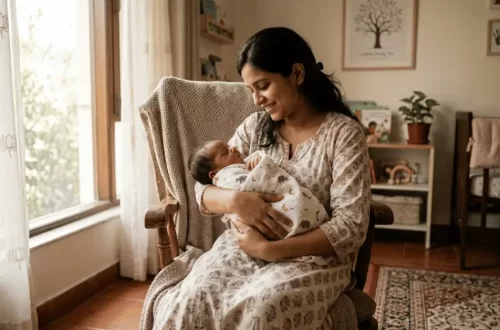
Winter can be a beautiful season, but colder temperatures, dry air and seasonal infections can make it challenging for parents, especially when caring for newborns and young babies. Babies have sensitive skin and their bodies are still developing the ability to regulate temperature, so they need extra attention during cold weather.
Following the right winter baby care tips can help parents keep their little ones warm, comfortable and protected throughout the season. From choosing suitable clothes and maintaining healthy skin to managing bath time and creating a comfortable sleeping environment, small changes in daily routines can make a big difference.
Why Winter Care Is Important for Babies
Babies are more sensitive to changes in temperature than adults. Cold weather can contribute to dry skin, irritation and discomfort. Indoor heating can also reduce humidity, which may make a baby’s skin even drier.
Newborns and younger babies also cannot communicate clearly when they are feeling too cold or uncomfortable. This makes it important for parents to pay attention to signs such as cold hands and feet, unusual fussiness or changes in feeding and sleeping patterns.
Good winter care is not about keeping a baby extremely warm. Instead, the goal is to maintain a comfortable environment without excessive clothing or overheating.
1. Dress Your Baby in Comfortable Layers
One of the most important winter baby care tips is to dress your baby appropriately for the weather.
Instead of relying on one very thick layer, parents can use several comfortable layers. Layers make it easier to add or remove clothing when the temperature changes.
A typical winter outfit may include:
- A soft cotton inner layer
- A comfortable full-sleeve outfit
- A warm sweater or jacket when required
- Socks to keep the feet comfortable
- A soft cap when appropriate, especially outdoors
Choose breathable and soft fabrics that do not irritate the baby’s skin. Avoid clothing that is too tight because babies need enough freedom to move their arms and legs comfortably.
Parents should also remember that babies do not necessarily need to be bundled in multiple heavy layers indoors. Check the baby’s chest or back to understand whether they are comfortable rather than relying only on cold hands or feet.
2. Protect Your Baby’s Sensitive Skin
Cold air and low humidity can cause baby’s skin to become dry, rough or irritated. Frequent bathing with hot water can make dryness worse by removing natural oils from the skin.
Use lukewarm water instead of very hot water during bath time. After bathing, gently pat the skin dry rather than rubbing it.
A gentle, fragrance-free moisturiser suitable for babies can help maintain the skin barrier. Pay particular attention to areas that tend to become dry, including the cheeks, hands, legs and elbows.
If you notice persistent redness, cracking, swelling or a rash that does not improve, consult a paediatrician or qualified healthcare professional.
3. Don’t Use Very Hot Water for Bathing
During winter, it can be tempting to use hot water for your baby’s bath. However, very hot water can irritate delicate skin and contribute to dryness.
Keep bath water comfortably lukewarm. The bathroom should also be reasonably warm so that the baby does not experience a sudden temperature change after getting out of the water.
Bathing does not necessarily need to happen every day for every baby. Depending on age, activity and individual needs, parents can follow a suitable bathing routine recommended by their healthcare provider.
Keep the bath short and make sure everything you need is ready before bringing the baby into the bathing area.
4. Keep the Baby’s Room Comfortable
Maintaining a comfortable room temperature is another important part of winter baby care tips.
A baby’s room should be comfortable rather than excessively hot. If the room becomes too warm because of a heater, the baby may become uncomfortable or overheated.
If you use a room heater, follow the manufacturer’s safety instructions and keep the device away from the baby’s sleeping area, curtains and other flammable materials.
Avoid placing a heater directly next to the baby’s cot or crib. Good ventilation is also important.
A humidifier may be useful in very dry indoor environments, but it needs to be cleaned regularly according to the manufacturer’s instructions to prevent the growth of microorganisms.
5. Pay Attention to Safe Sleep
Winter does not change the basic principles of safe infant sleep.
Babies should sleep on their backs on a firm, flat sleep surface. Keep loose blankets, pillows, stuffed toys and other soft objects out of the baby’s sleeping space.
Parents sometimes add heavy blankets or multiple layers because they are worried about the baby feeling cold. However, excessive bedding can increase the risk of overheating and can create an unsafe sleep environment.
Instead, use appropriate sleep clothing or a properly designed wearable blanket if recommended for your baby’s age and situation.
Never cover a baby’s face while trying to keep them warm.
6. Continue Breastfeeding and Proper Feeding
Nutrition remains important during winter. For babies who are breastfed, continue breastfeeding according to the baby’s normal feeding needs.
Breast milk provides nutrition and also contains components that support the baby’s developing immune system.
For formula-fed babies, prepare formula exactly according to the instructions provided by the manufacturer or healthcare professional. Do not dilute formula or change the preparation method to give extra water unless advised by a healthcare professional.
Older babies who have started complementary foods should continue receiving a balanced diet appropriate for their age.
For young infants, do not introduce additional water, herbal drinks or other liquids without appropriate medical guidance.
7. Take Care During Outdoor Trips
Babies can go outdoors during winter when conditions are suitable, but parents should take reasonable precautions.
Dress the baby according to the outdoor temperature and avoid prolonged exposure to very cold weather. During particularly cold, windy or foggy conditions, consider limiting outdoor time.
When going outside, protect the baby’s skin from cold wind and make sure clothing is comfortable rather than excessively bulky.
Car seats require special attention. Avoid placing a thick winter coat underneath the car-seat harness because bulky clothing can interfere with proper harness fit. Instead, use appropriate layers and follow the car-seat manufacturer’s safety instructions.
8. Keep Hands and Surroundings Clean
Winter is also a season when respiratory infections can circulate more easily. Babies can be particularly vulnerable because their immune systems are still developing.
Parents and visitors should wash their hands before touching the baby, especially before feeding or handling bottles and pacifiers.
Try to limit close contact with people who are sick. Avoid allowing someone with symptoms such as fever, cough or significant cold symptoms to have close contact with a young baby.
Regularly clean frequently touched household surfaces and keep the baby’s feeding and personal items clean.
9. Recognise Signs That Your Baby May Be Too Cold
Parents should learn to recognise when their baby may not be comfortable.
Possible signs can include:
- Cool chest or back
- Unusual fussiness
- Pale or cold-looking skin
- Changes in normal behaviour
- Reduced feeding
- Unusual sleepiness
Checking the baby’s chest or back is generally more useful than judging temperature based only on hands and feet.
If your baby appears unusually cold, move them to a comfortable indoor environment and add an appropriate layer. If the baby remains unusually cold, sleepy or unresponsive, seek medical advice promptly.
10. Watch for Signs of Illness
Cold weather itself does not necessarily cause infections, but winter is often associated with increased circulation of respiratory illnesses.
Parents should monitor babies for symptoms such as fever, persistent cough, breathing difficulties, poor feeding, unusual sleepiness or reduced wet diapers.
Newborns and very young infants require particular caution. If a young baby develops a fever or appears significantly unwell, contact a healthcare professional promptly rather than relying only on home remedies.
Never give a baby medication for cold, cough or fever without appropriate professional guidance, particularly for very young infants.
11. Avoid Excessive Layering
Keeping a baby warm is important, but overheating is also a concern.
A common mistake during winter is dressing a baby in too many layers. Instead of adding clothing simply because the weather feels cold to an adult, check the baby’s body temperature and overall comfort.
A baby’s chest or back should feel comfortably warm, not hot or sweaty.
If the baby is sweating, has flushed skin or feels unusually hot, remove an unnecessary layer and move them to a more comfortable environment.
12. Create a Simple Winter Routine
A consistent daily routine can make winter baby care easier for parents.
A simple routine may include:
Morning: Check the baby’s clothing and room comfort, followed by feeding and normal activities.
Daytime: Keep the baby comfortably dressed, maintain regular feeding and allow suitable outdoor time when weather conditions permit.
Bath time: Use lukewarm water and follow with gentle moisturisation.
Evening: Keep the room comfortable, dress the baby appropriately and prepare a safe sleep environment.
Night: Avoid excessive blankets and check that the baby remains comfortable without overheating.
The exact routine will depend on the baby’s age, health and individual needs.
Frequently Asked Questions
How can I keep my newborn warm in winter?
Dress your newborn in comfortable, breathable layers and maintain a comfortably warm indoor environment. Avoid excessive clothing and check the baby’s chest or back to assess comfort.
How often should I bathe my baby in winter?
Bathing frequency depends on the baby’s age and individual needs. Avoid very hot water and prolonged baths because they can contribute to dry skin. Follow advice from your paediatrician if your baby has sensitive or problematic skin.
Can babies go outside in winter?
Yes, babies can generally spend time outdoors when weather conditions are suitable. Dress them appropriately and avoid prolonged exposure to very cold, windy or extreme weather.
How do I prevent dry skin in babies during winter?
Use lukewarm water, avoid harsh soaps and apply a gentle baby moisturiser after bathing. If dryness becomes severe or persistent, consult a healthcare professional.
Should I use a heater in my baby’s room?
A heater may be used when necessary, but it should be operated safely and kept away from the baby’s sleeping area and flammable materials. Avoid making the room excessively hot.
Final Thoughts
Winter can be managed comfortably with a few thoughtful changes to your baby’s daily routine. Appropriate clothing, gentle skincare, safe sleeping practices, proper feeding and good hygiene are all important parts of winter baby care tips.
Most importantly, parents should focus on keeping babies comfortable rather than excessively warm. Pay attention to changes in behaviour, feeding, sleep and overall health, and seek professional medical advice whenever something seems unusual.
Every baby is different, so parents should also consider their baby’s age, health and individual needs when developing a winter care routine. With the right precautions and regular attention, families can enjoy the colder months while keeping their little ones comfortable and cared for.