Winter can be a beautiful season, but cold temperatures, dry air and seasonal infections can make baby care more challenging. Babies, especially newborns, have a limited ability to regulate their body temperature. They may lose heat more quickly than adults and can also become overheated when dressed in too many layers.
Parents often wonder how to keep their little ones comfortable, what clothes to choose, how to maintain a warm sleeping environment and when it is safe to take a baby outdoors.
The good news is that a few simple precautions can make winter safer and more comfortable for your child. This winter baby care guide explains practical ways to protect your baby from cold weather while supporting healthy sleep, feeding and skin care.
1. Dress Your Baby in Comfortable Layers
One of the most important baby winter care tips is to use several light layers instead of one very thick outfit.
A useful general guideline is to dress your baby in approximately one more layer than an adult would comfortably wear in the same environment. However, always check your baby’s temperature and adjust clothing as needed.
For everyday winter clothing, consider:
- A soft cotton vest or bodysuit
- A comfortable full-sleeved sleepsuit
- A light cardigan or sweater
- Socks or booties
- A warm hat and mittens when outdoors in cold weather
Choose breathable fabrics that allow air circulation and avoid clothing that is too tight.
Remember that babies can overheat indoors, even during winter. Remove extra layers when entering a warm room, shopping centre or heated vehicle.
2. Keep Your Baby Warm Without Overheating
Keeping a baby warm is important, but overheating in babies can also be dangerous.
Check your baby’s chest, tummy or the back of the neck to understand whether they are comfortably warm. Hands and feet may feel cooler than the rest of the body, which can be normal.
Signs that your baby may be too hot include:
- Sweating
- A hot chest or tummy
- Damp hair
- Flushed skin
- Unusual restlessness
If your baby feels hot or sweaty, remove an extra layer and check again after a short time.
Avoid wrapping your baby in multiple heavy blankets for long periods. The goal of keeping a baby warm in winter is to maintain a comfortable temperature, not to make the baby feel excessively hot.
3. Follow Safe Sleep Practices During Winter
Winter bedding should never compromise your baby’s safety.
The safest sleep arrangement is to place your baby on their back on a firm, flat mattress in a separate cot or bassinet. Keep the sleeping area free from pillows, quilts, loose blankets, stuffed toys and other soft objects.
For warmth, use a properly fitted baby sleeping bag or wearable blanket suitable for the room temperature and the baby’s size.
Avoid:
- Thick quilts and heavy blankets
- Pillows under the baby’s head
- Electric blankets
- Hot water bottles in the cot
- Weighted sleep products
- Sleeping near a heater or fireplace
A baby should not sleep with their face covered. Keep the head uncovered indoors and make sure the sleeping bag fits securely around the shoulders.
Following safe baby sleep in winter practices helps keep your child warm while reducing the risk of overheating and accidental suffocation.
4. Maintain a Comfortable Indoor Temperature
Your home should be comfortable enough for your baby without becoming excessively warm.
Avoid placing the cot directly beside a heater, radiator, fireplace or window with a cold draft. If you use a room heater, make sure it is stable, safely positioned and kept well away from the baby’s bedding and clothing.
Never use an open-flame or fuel-burning heater in an unventilated room. Such appliances can produce dangerous carbon monoxide.
If the room feels cold, use suitable clothing layers and safe heating rather than placing hot objects inside the baby’s cot.
A room thermometer can help you understand the temperature and adjust the baby’s clothing appropriately.
5. Choose the Right Winter Clothes for Outdoor Trips
When taking your baby outside, dress them according to the weather and the length of the outing.
A baby winter clothing checklist may include a warm outer layer, socks, mittens and a hat that covers the ears when temperatures are low.
Protect your baby’s face from strong cold winds. If the weather is extremely cold, windy or foggy, consider postponing unnecessary outdoor trips, especially for newborns.
For mild winter days, a short outdoor walk may be comfortable if your baby is appropriately dressed and you keep checking their condition.
Avoid covering a stroller completely with a thick blanket. It can restrict airflow and cause overheating. Use a suitable stroller cover that allows ventilation and keep your baby’s face visible.
6. Keep Your Baby Safe in a Car Seat
When travelling by car during winter, safety is more important than bulky clothing.
Thick jackets and padded snowsuits can compress during a collision, creating extra space beneath the car seat harness. This may prevent the harness from protecting your baby properly.
Instead:
- Dress your baby in thin, snug layers.
- Place your baby in the car seat.
- Fasten and tighten the harness correctly.
- Place a blanket over the secured harness if additional warmth is needed.
- Remove extra coverings when the car becomes warm.
Never place thick padding, blankets or bulky clothing between your baby and the car seat harness.
These winter car seat safety tips help protect your baby while keeping them comfortable during travel.
7. Continue Breastfeeding or Regular Milk Feeds
Babies need regular feeding throughout winter.
If you are breastfeeding, continue offering breast milk frequently and according to your baby’s hunger cues. Breast milk provides nutrition and fluids that support your baby’s needs.
If your baby receives formula, prepare it according to the manufacturer’s instructions and your healthcare professional’s guidance. Never dilute formula to make it last longer.
For babies who have started complementary foods, continue offering age-appropriate meals alongside their usual milk feeds.
Do not give water, honey or herbal drinks to a young infant unless advised by a qualified healthcare professional. Babies under six months generally receive the fluids they need from breast milk or correctly prepared formula.
8. Protect Your Baby’s Skin From Winter Dryness
Cold weather and dry indoor air can make a baby’s delicate skin feel rough or irritated.
A simple baby winter skincare routine can help:
- Use lukewarm water for bathing.
- Keep baths short.
- Choose a gentle, fragrance-free cleanser.
- Pat the skin dry with a soft towel.
- Apply a baby-friendly moisturiser after bathing.
- Use moisturiser regularly on dry areas.
Avoid strong perfumes, harsh soaps and adult skincare products on your baby’s skin.
If your baby develops persistent redness, cracked skin, a spreading rash or severe itching, consult a paediatrician rather than trying multiple products at home.
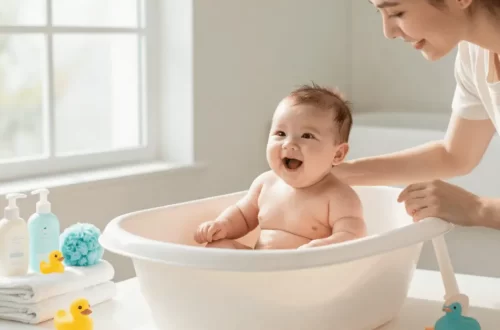
9. Bathe Your Baby Carefully
Babies do not need a full bath every day. Frequent bathing, especially with hot water, may remove natural oils and increase skin dryness.
During winter, choose a warm, draft-free room and prepare everything before starting the bath.
Use comfortably lukewarm water and keep the bath brief. Never leave your baby alone in the bath, even for a moment.
After bathing, dry your baby promptly, paying attention to skin folds. Dress them in clean, comfortable clothing and apply moisturiser if needed.
These winter bathing tips for babies help reduce the chance of chilling and skin irritation.
10. Reduce the Risk of Winter Infections
Cold weather often coincides with an increase in respiratory infections. Babies can become ill after exposure to viruses carried by other people.
To support baby health during winter, follow basic hygiene practices:
- Wash your hands before handling or feeding your baby.
- Ask visitors to wash their hands.
- Avoid close contact with people who have a cough, fever or cold.
- Do not allow anyone to kiss your baby’s face or hands when unwell.
- Keep your baby’s vaccination schedule up to date.
- Avoid exposing your baby to cigarette smoke.
If a family member is sick, reduce close contact where possible and follow your healthcare professional’s advice.
11. Keep Your Baby’s Nose and Breathing Comfortable
Dry air and mild congestion can sometimes make babies uncomfortable during winter.
If your baby has a blocked nose, ask your paediatrician whether saline nasal drops and gentle nasal suction are appropriate.
Do not use adult cold medicines, decongestants or cough syrups for an infant unless specifically prescribed.
Never place essential oils, strong vapours or menthol products near your baby’s nose without medical advice.
If your baby is struggling to breathe, breathing unusually fast, making grunting sounds or having difficulty feeding because of breathing problems, seek urgent medical help.
12. Check Your Baby’s Temperature Regularly
Parents should learn how to recognise both excessive warmth and signs of being too cold.
A digital thermometer can help you check your baby’s temperature when they seem unwell.
A temperature of 38°C or higher in a baby under three months needs urgent medical assessment. A temperature below 36°C, particularly with unusual sleepiness, poor feeding or cold skin, also requires urgent medical attention.
Do not rely only on touching your baby’s hands or feet to decide whether they are cold.
If your baby seems unusually weak, difficult to wake, pale or blue, or is not feeding normally, contact a healthcare professional promptly.
13. Keep the Baby’s Room Clean and Comfortable
A clean and comfortable environment can support your baby’s wellbeing during winter.
Wash bedding and clothing regularly using a detergent suitable for your baby’s skin. Keep the sleeping area free from dust, smoke and unnecessary soft furnishings.
If the indoor air is very dry, a clean cool-mist humidifier may help. Follow the manufacturer’s cleaning instructions carefully to prevent mould or bacteria from developing.
Do not allow humidifiers to make the room damp, and keep electrical equipment safely away from the cot.
14. Know When to Contact a Doctor
Babies can become unwell quickly, so parents should take unusual symptoms seriously.
Seek urgent medical care if your baby:
- Has a temperature of 38°C or higher and is younger than three months
- Has a body temperature below 36°C
- Has difficulty breathing
- Has blue, grey or unusually pale skin or lips
- Is difficult to wake or unusually floppy
- Refuses feeds or feeds much less than usual
- Has significantly fewer wet nappies
- Has a seizure or a rash that does not fade when pressed
Do not wait for several symptoms to appear before seeking help. If you feel that your baby is seriously unwell, get medical attention immediately.
15. Final Thoughts: Keep Winter Safe and Comfortable for Your Baby
Winter baby care does not require complicated routines or expensive products. The most important steps are to dress your baby in comfortable layers, prevent overheating, maintain safe sleeping conditions, continue regular feeding and protect delicate skin.
Parents should also take precautions during outdoor trips, car journeys and visits from people who may be unwell.
Every baby is different, and newborns or premature babies may need additional guidance from their healthcare professional.
With careful observation and simple daily habits, keeping your baby safe in winter can become a manageable part of your routine. Focus on warmth, comfort, hygiene and safe sleep, and seek medical advice whenever something does not seem right.
Frequently Asked Questions (FAQs)
1. How many layers should a baby wear in winter?
A general guideline is to dress your baby in one more layer than an adult would wear comfortably in the same conditions. Adjust layers according to the room temperature and your baby’s body warmth.
2. How can I tell if my baby is too cold?
Check your baby’s chest or tummy. If the body feels cold, add a suitable layer and check again. Cool hands and feet alone do not necessarily mean your baby is too cold.
3. Can a baby sleep with a blanket in winter?
Loose blankets are not recommended in a baby’s sleep area because they can cover the face and create a suffocation risk. Use a properly fitted wearable blanket or sleep sack instead.
4. Should I cover my baby’s head while sleeping?
No. Keep your baby’s head uncovered during indoor sleep. A hat can be useful outdoors in cold weather, but remove it when you come indoors.
5. Is it safe to take a newborn outside in winter?
A short outing may be suitable in mild weather if the baby is dressed appropriately. Avoid extreme cold, strong winds and unnecessary long trips. Ask your paediatrician for advice if your baby was premature or has health concerns.
6. How often should I bathe my baby during winter?
A full bath is not necessary every day. Short, lukewarm baths a few times a week may be sufficient for many babies. Clean the face, neck and diaper area as needed.
7. What room temperature is best for a sleeping baby?
Keep the room comfortably warm without overheating. Use a room thermometer if possible and choose clothing or a sleep sack appropriate for the temperature.
8. Can I use a room heater near my baby?
A heater may be used if it is safe, properly installed and kept away from the cot, clothing and bedding. Never use an unsafe fuel-burning heater in an unventilated room.
9. What should I do if my baby has a fever in winter?
Check the temperature with a digital thermometer. If your baby is under three months and has a temperature of 38°C or higher, seek urgent medical assessment. Do not give medicines without checking the correct advice for your baby’s age.
10. How can I prevent dry skin in my baby during winter?
Use lukewarm water, gentle fragrance-free products and a suitable moisturiser after bathing. If dryness or irritation continues, consult your paediatrician.