Experiencing your first pregnancy is one of the most exciting and emotional milestones in life. For many women, the journey to motherhood brings happiness, curiosity, and sometimes anxiety about what lies ahead. From understanding first pregnancy symptoms to learning how to take care of yourself and your growing baby, having the right information can make a huge difference. Every pregnancy is unique, but knowing the common changes and expectations can help you feel more confident throughout the journey.
This complete first pregnancy guide covers everything you need to know, including symptoms, trimester changes, nutrition, exercise, prenatal care, and practical advice for first-time mothers. Whether you’re in the early weeks or preparing for delivery, this guide will help you navigate your first-time pregnancy with confidence.
Understanding Your First Pregnancy
A first pregnancy begins when a fertilized egg implants itself in the uterus and starts developing into a baby. Pregnancy usually lasts around 40 weeks and is divided into three trimesters. During these months, your body undergoes incredible physical and hormonal changes to support your baby’s growth.
For many women, the first pregnancy experience can feel overwhelming because everything is new. You may notice changes in your body, emotions, appetite, sleep patterns, and energy levels. It is completely normal to have questions and concerns during this time. The key is to stay informed, maintain regular communication with your healthcare provider, and focus on building healthy habits that support both you and your baby.
Understanding what to expect during first pregnancy can reduce stress and help you enjoy this special chapter of your life.
First Pregnancy Symptoms: Early Signs You Should Know
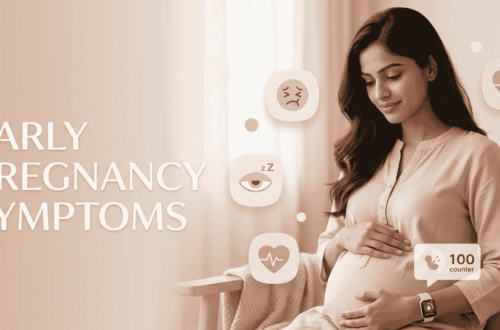
One of the most common questions women ask is how to recognize first pregnancy symptoms. While every woman experiences pregnancy differently, there are several early signs that often indicate pregnancy.
A missed period is usually the first noticeable symptom. Many women also experience fatigue because their bodies are producing higher levels of pregnancy hormones. Morning sickness, which includes nausea and vomiting, can begin as early as the sixth week. Despite its name, it can occur at any time of the day.
Breast tenderness, mood swings, frequent urination, food cravings, and sensitivity to smells are also common. Some women notice mild cramping or light spotting known as implantation bleeding during the early weeks. Understanding these first pregnancy symptoms week by week can help you recognize changes and seek medical confirmation as soon as possible.
If you suspect you may be pregnant, taking a home pregnancy test and scheduling a prenatal appointment is the best next step.
First Trimester: Weeks 1–12
The first trimester is often considered the most critical stage of pregnancy because major fetal development takes place during this period. Your baby’s brain, spinal cord, heart, and other essential organs begin forming. Although your baby is still very small, significant growth occurs every week.
During this stage, many women experience strong symptoms such as nausea, fatigue, and mood changes. These symptoms can sometimes interfere with daily activities, but they are generally a sign that your body is adapting to pregnancy. Following a proper first pregnancy diet plan and getting enough rest can help manage discomfort.
This is also the time when prenatal vitamins become especially important. Folic acid supports healthy brain and spinal cord development, while iron helps your body produce the extra blood needed during pregnancy. Staying hydrated and avoiding harmful substances such as alcohol and tobacco are crucial aspects of first pregnancy care.
Second Trimester: Weeks 13–27
The second trimester is often called the “honeymoon phase” of pregnancy because many women start feeling better physically. Morning sickness usually decreases, energy levels improve, and the growing baby bump becomes more noticeable.
During this period, your baby develops facial features, fingerprints, hearing abilities, and stronger muscles. You may begin feeling your baby’s movements, which can be an exciting milestone for first-time mothers. Many women describe this as one of the most memorable moments of their first pregnancy experience.
Regular prenatal checkups continue to be important throughout this trimester. Ultrasounds and routine tests help monitor your baby’s development and ensure everything is progressing normally. Maintaining healthy eating habits and engaging in safe physical activity can contribute to a healthy first pregnancy and support your baby’s growth.
Third Trimester: Weeks 28–40
The final stage of pregnancy focuses on preparing your baby for birth. During the third trimester, your baby gains weight rapidly and continues developing essential organs, particularly the lungs and brain.
As your belly grows larger, you may experience back pain, swelling, difficulty sleeping, and increased pressure on your bladder. These symptoms are common and usually manageable with proper care and rest. Many women also begin attending childbirth classes and preparing their homes for the baby’s arrival.
Following a first pregnancy trimester guide can help you understand these physical changes and feel more prepared for labor and delivery. This is also the time to finalize your birth plan and discuss any concerns with your healthcare provider.
First Pregnancy Diet Plan for Mother and Baby
Nutrition plays a major role in supporting a healthy pregnancy. A balanced diet provides essential nutrients that help your baby grow while keeping you healthy and energized. Your first pregnancy diet plan should include a variety of fruits, vegetables, whole grains, lean proteins, and healthy fats.
Foods rich in folic acid, calcium, iron, and protein are particularly important during pregnancy. These nutrients support fetal development and help prevent certain birth defects. Drinking plenty of water can also help reduce constipation, swelling, and dehydration.
It is equally important to avoid foods that may pose risks during pregnancy. Raw seafood, undercooked meats, unpasteurized dairy products, and excessive caffeine should be limited or avoided altogether. Following proper dietary guidelines is one of the most important first pregnancy health tips you can follow.
First Pregnancy Exercises for Better Health
Many women wonder whether exercise is safe during pregnancy. In most cases, regular physical activity is not only safe but highly beneficial. Appropriate first pregnancy exercises can improve circulation, reduce back pain, boost mood, and support healthy weight management.
Walking is one of the easiest and safest forms of exercise for pregnant women. Prenatal yoga can help improve flexibility, reduce stress, and prepare the body for labor. Swimming is another excellent option because it provides full-body exercise without putting pressure on joints.
Before beginning any exercise program, consult your healthcare provider to ensure the activities are appropriate for your individual pregnancy. Staying active is one of the best first pregnancy care tips for beginners because it supports both physical and emotional well-being.
First Pregnancy Checklist: Essential Things to Prepare
Preparing for a baby can feel overwhelming, especially during a first-time pregnancy. Creating a first pregnancy checklist can help you stay organized and reduce last-minute stress.
As your due date approaches, you’ll need to schedule regular prenatal appointments, choose a healthcare provider, prepare a nursery, and gather baby essentials. You may also want to research childcare options, childbirth classes, and breastfeeding resources.
Many first-time mothers find it helpful to prepare a hospital bag several weeks before their due date. Having everything ready in advance allows you to focus on the exciting arrival of your baby rather than worrying about forgotten items.
First Pregnancy Essentials Every Mom Should Have
There are countless baby products available, but focusing on the true first pregnancy essentials can save both money and stress. Essential items include a safe sleeping space, diapers, baby clothing, feeding supplies, and a properly installed car seat.
For mothers, maternity clothing, comfortable footwear, pregnancy pillows, and prenatal vitamins can help make the pregnancy journey more comfortable. Choosing quality essentials rather than unnecessary gadgets can simplify your preparation and help you focus on what matters most.
First Pregnancy Mistakes to Avoid
Many first-time mothers make mistakes simply because they lack experience. One of the most common first pregnancy mistakes to avoid is skipping prenatal appointments. Regular medical care is essential for monitoring both maternal and fetal health.
Another mistake is relying on internet myths instead of professional medical advice. While online resources can be helpful, every pregnancy is unique, and your healthcare provider is the best source of personalized guidance.
Ignoring mental health is another common issue. Pregnancy can bring emotional challenges, and seeking support when needed is a sign of strength, not weakness. Avoiding unhealthy foods, smoking, alcohol, and excessive stress can significantly improve pregnancy outcomes.
First Pregnancy Tips for a Healthy Journey
Following practical first pregnancy tips can make your experience smoother and more enjoyable. Prioritize sleep, maintain a balanced diet, stay hydrated, and engage in regular physical activity. Listening to your body and allowing yourself time to rest is equally important.
Building a support system of family members, friends, and healthcare professionals can help you navigate challenges more confidently. Remember that asking questions is part of learning, and no concern is too small when it comes to your health and your baby’s well-being.
Most importantly, enjoy the journey. Pregnancy is a unique experience that brings opportunities for growth, learning, and anticipation as you prepare to welcome your child into the world.
Conclusion
Your first pregnancy is a remarkable journey filled with physical, emotional, and life-changing experiences. While it may sometimes feel overwhelming, understanding first pregnancy symptoms, following proper first pregnancy care, maintaining a healthy lifestyle, and staying informed can help you approach motherhood with confidence.
This complete first pregnancy guide is designed to help first-time mothers understand each stage of pregnancy and prepare for the exciting arrival of their baby. By following these first pregnancy health tips, staying connected with your healthcare provider, and focusing on self-care, you can enjoy a positive and healthy first pregnancy from beginning to end.
FAQs
What are the earliest first pregnancy symptoms?
The earliest first pregnancy symptoms often include a missed period, fatigue, breast tenderness, nausea, mood swings, and frequent urination.
How can I have a healthy first pregnancy?
A healthy first pregnancy involves eating nutritious foods, taking prenatal vitamins, exercising safely, attending regular prenatal checkups, and avoiding alcohol and smoking.
When should I visit a doctor during my first pregnancy?
You should schedule a prenatal appointment as soon as you confirm your pregnancy to begin proper monitoring and care.
Are exercises safe during first-time pregnancy?
Yes, most women can safely participate in walking, swimming, and prenatal yoga after consulting their healthcare provider.
What foods should I avoid during pregnancy?
Avoid raw seafood, undercooked meat, unpasteurized dairy products, alcohol, and excessive caffeine during pregnancy.
What are the biggest first pregnancy mistakes to avoid?
Skipping prenatal appointments, following unverified medical advice, neglecting nutrition, and ignoring mental health concerns are common mistakes to avoid.
How much weight should I gain during pregnancy?
Healthy weight gain varies depending on your pre-pregnancy weight and should be discussed with your healthcare provider.
Why is folic acid important during pregnancy?
Folic acid helps support healthy fetal development and reduces the risk of certain birth defects, especially during the first trimester.